


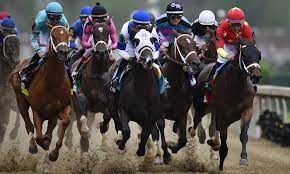
Horse racing offers one of the most dynamic betting environments in sports, blending data, intuition, and strategy. With dozens of wagering options and constantly shifting odds, the sport rewards bettors who understand both the fundamentals and the nuances. Whether you’re betting the Kentucky Derby or a weekday card at Santa Anita, here’s how to approach horse racing wagering with precision.
Start With the Basics: Win, Place, and Show
The simplest wagers in horse racing are Win, Place, and Show bets.
- Win: Your horse must finish first.
- Place: Your horse must finish first or second.
- Show: Your horse must finish in the top three.
Because the risk decreases as you move from Win to Show, the payouts decrease as well. These bets are ideal for beginners or for situations where you have a strong opinion about a horse’s consistency but not necessarily its ability to win.
Exacta, Trifecta, and Superfecta: Precision for Bigger Payouts
Exotic wagers allow bettors to predict the exact finishing order of multiple horses.
- Exacta: Pick the first two finishers in order.
- Trifecta: Pick the first three finishers in order.
- Superfecta: Pick the first four finishers in order.
These bets can produce massive payouts, especially in large fields. To reduce difficulty, bettors often use “boxing”, which allows the selected horses to finish in any order. For example, a $1 Trifecta Box with horses 3‑5‑7 costs $6 and covers all possible finishing combinations among those three horses.
Understanding Odds and the Tote Board
Horse racing uses pari‑mutuel wagering, meaning bettors wager against each other, not the house. Odds fluctuate until the race begins, based on how much money is bet on each horse. A horse listed at 5‑1 at five minutes to post may go off at 3‑1 if late money pours in.
Key terms:
- Morning Line: The track oddsmaker’s projection, not a guarantee.
- Final Odds: Determined at post time based on total money wagered.
- Overlay: A horse whose final odds are higher than its perceived chance of winning.
- Underlay: A horse whose odds are too low relative to its true chances.
Finding overlays is one of the most important skills in horse racing betting.
Multi‑Race Wagers: Strategic Opportunities
Multi‑race bets require picking winners across consecutive races:
- Daily Double: Two races
- Pick 3: Three races
- Pick 4 / Pick 5 / Pick 6: Four to six races
These wagers offer large payouts but require broader handicapping. Bettors often use “singles” (one horse in a race) to reduce cost and “spreads” (multiple horses) in unpredictable legs.
Handicapping: The Core of Horse Racing Betting
To bet effectively, study:
- Past performances (PPs)
- Speed figures
- Class levels
- Trainer and jockey statistics
- Track conditions
- Running styles (front‑runner, stalker, closer)
- Post positions
A horse dropping in class, switching to a top jockey, or returning to a preferred distance can offer strong value.
Final Thoughts
Horse racing rewards preparation, discipline, and value‑driven wagering. With a mix of simple bets, exotic wagers, and multi‑race opportunities, bettors can tailor strategies to their risk tolerance. Study the PPs, watch the tote board, and always manage your bankroll. The more you understand the horses, the conditions, and the wagering pools, the sharper your bets become.


